Quantitative Interpretation

Quantitative interpretation for exploration and development
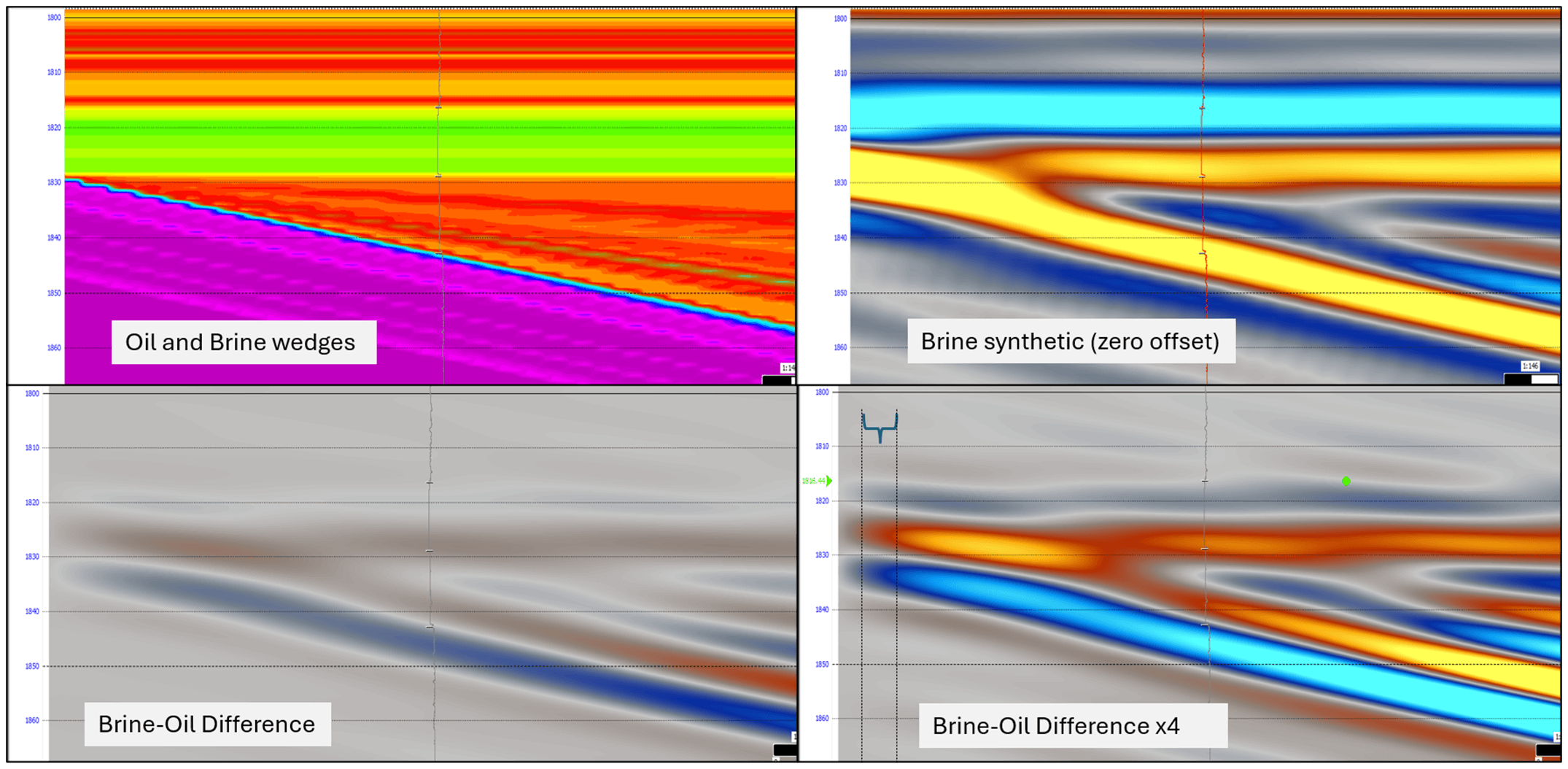
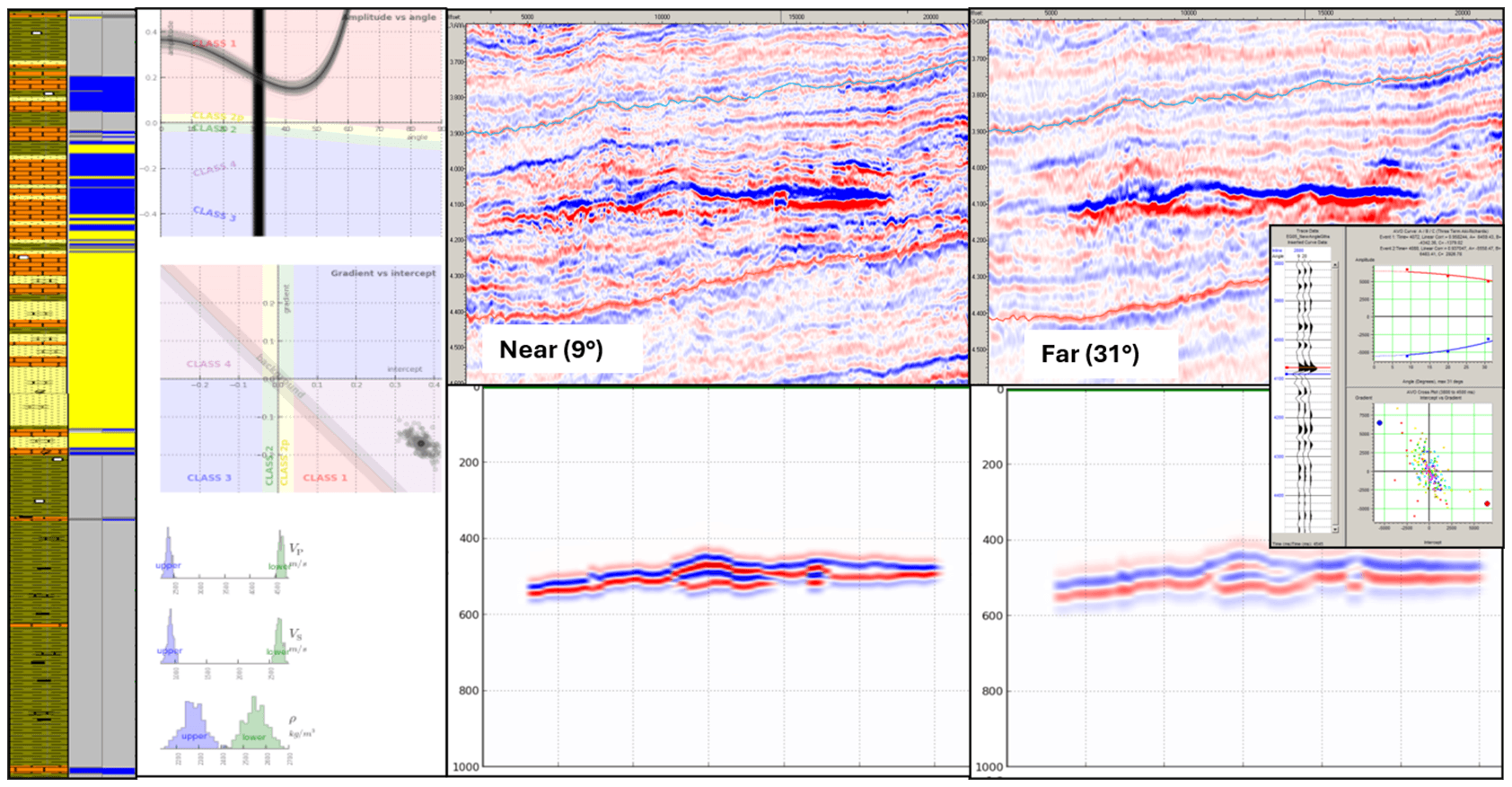
I provide amplitude versus offset (AVO) analysis, seismic inversion and forward modelling to investigate reservoir properties and test seismic interpretations. The work brings together well ties, rock physics, petrophysics and seismic quality control.
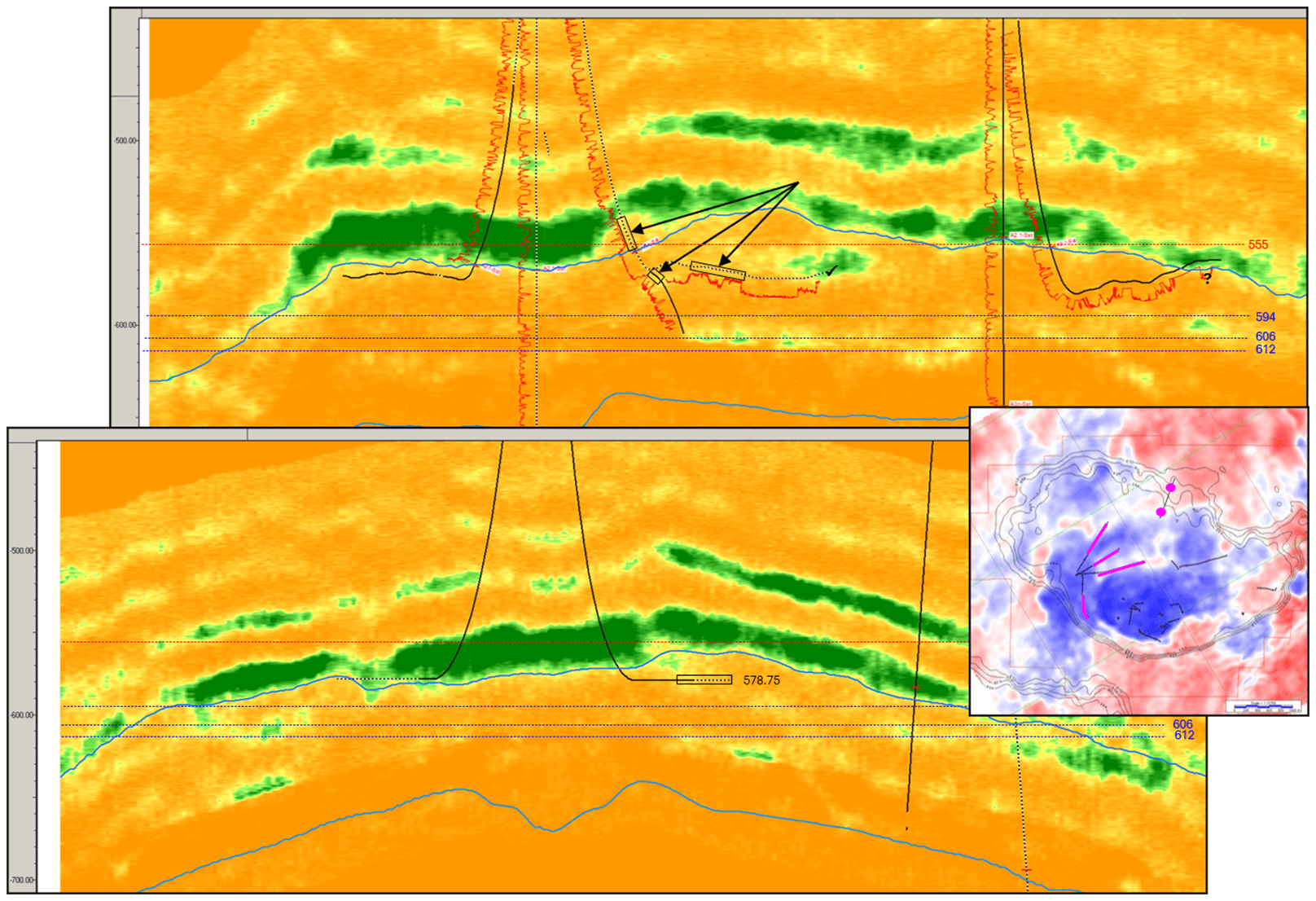
Assignments range from focused modelling studies to reservoir characterisation, seismic net pay estimation and independent review of inversion projects.
Discuss a quantitative interpretation study, or read about my technical evaluation and advisory work.
Recent project experience
Selected examples of recent technical work.
Reservoir prediction from ocean-bottom-node seismic
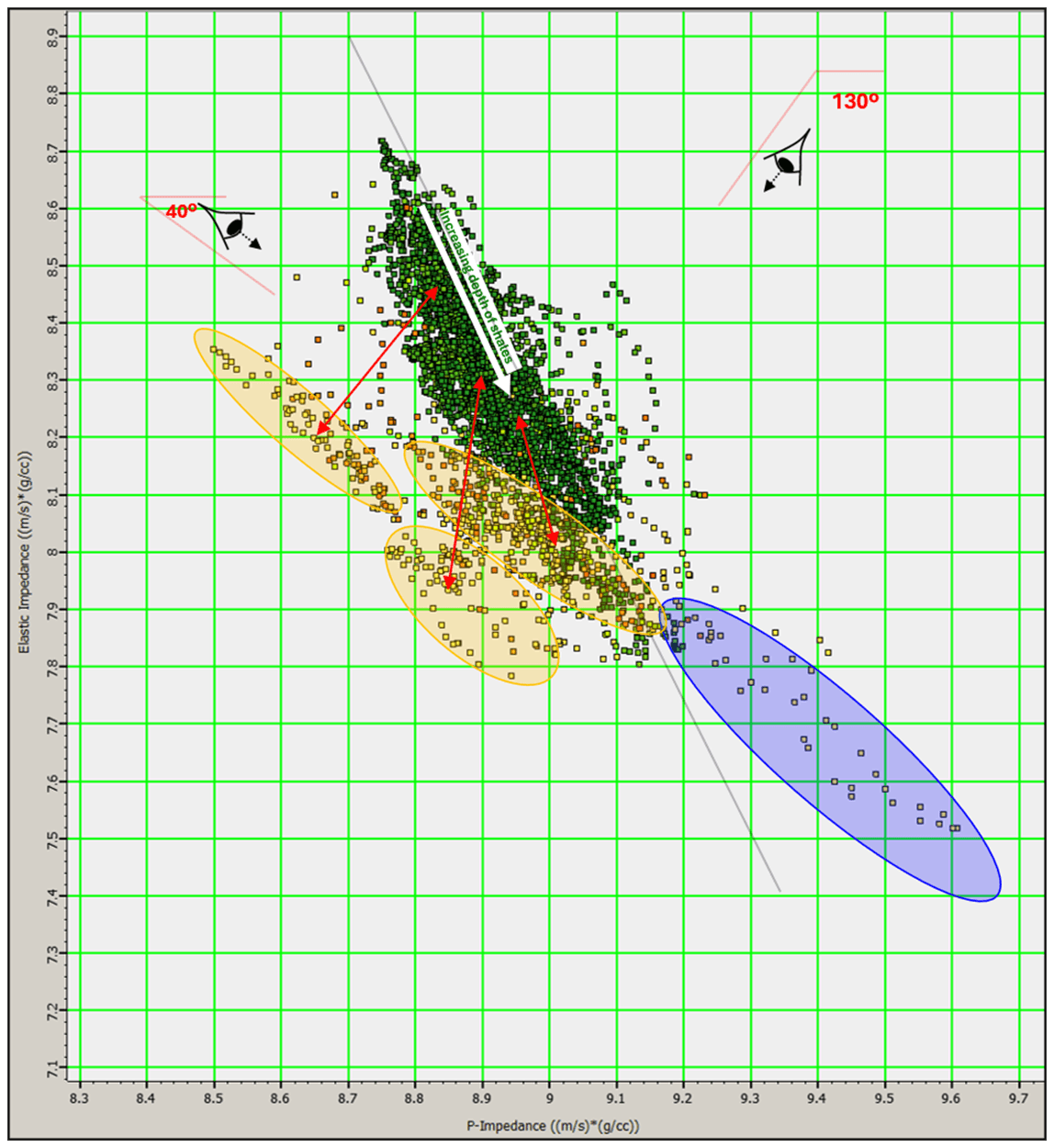
Work combining seismic product selection, well calibration, simultaneous inversion and supervised multi-attribute classification. The study examined how processing choices, reservoir definitions and prediction methods change the interpretation, distinguishing evidence for reservoir presence from stronger claims about net reservoir or deterministic properties.
Seismic conditioning and prediction feasibility — 2026
A review of seismic conditioning and facies prediction brought together angle-stack quality control, amplitude behaviour, well calibration and alternative approaches. Favourable validation scores were influenced by common facies, while reservoir predictions were less stable. The recommendation was a limited blind proof-of-value exercise before committing to a larger study.
Quantitative interpretation across evolving datasets — 2025–26
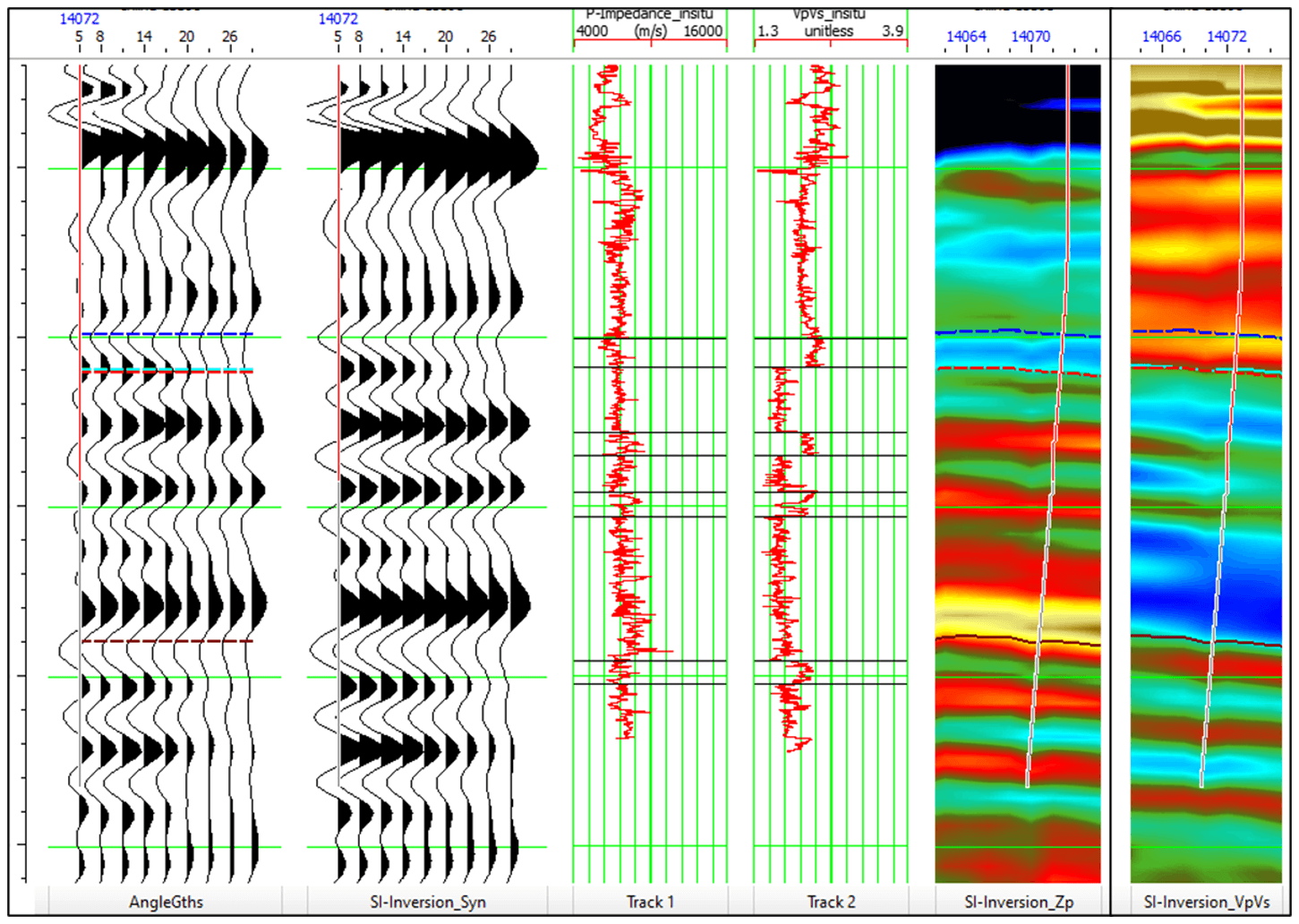
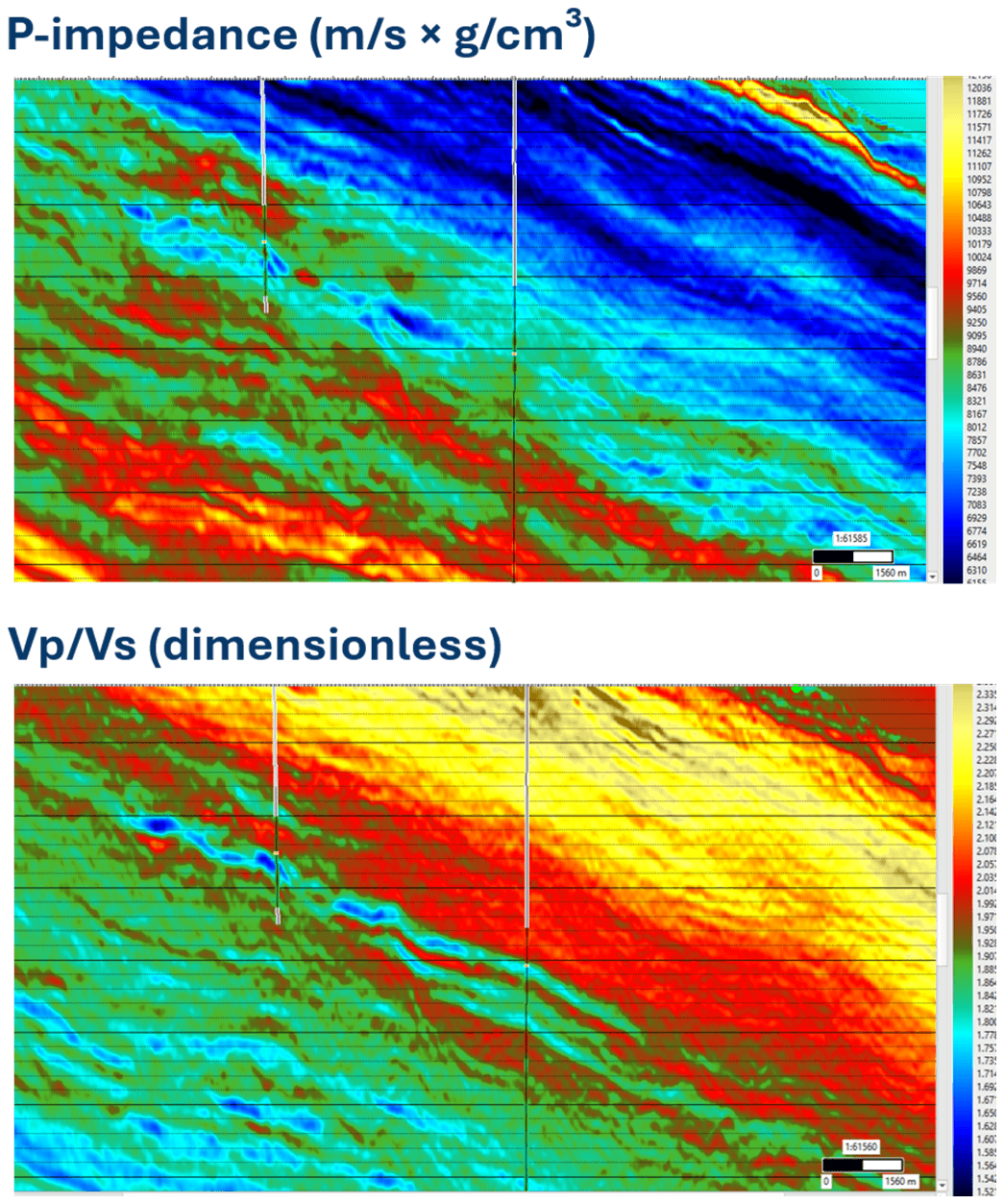
Database assessment, rock physics, AVO analysis, inversion and lithology prediction, with checks on data extents, datums, angle coverage and velocity consistency with wells. Impedance, Vp/Vs and lithology attributes were assessed alongside their limitations, so that the interpretation reflected what the available data could support.
Independent review of reservoir interpretation — 2022 and 2025
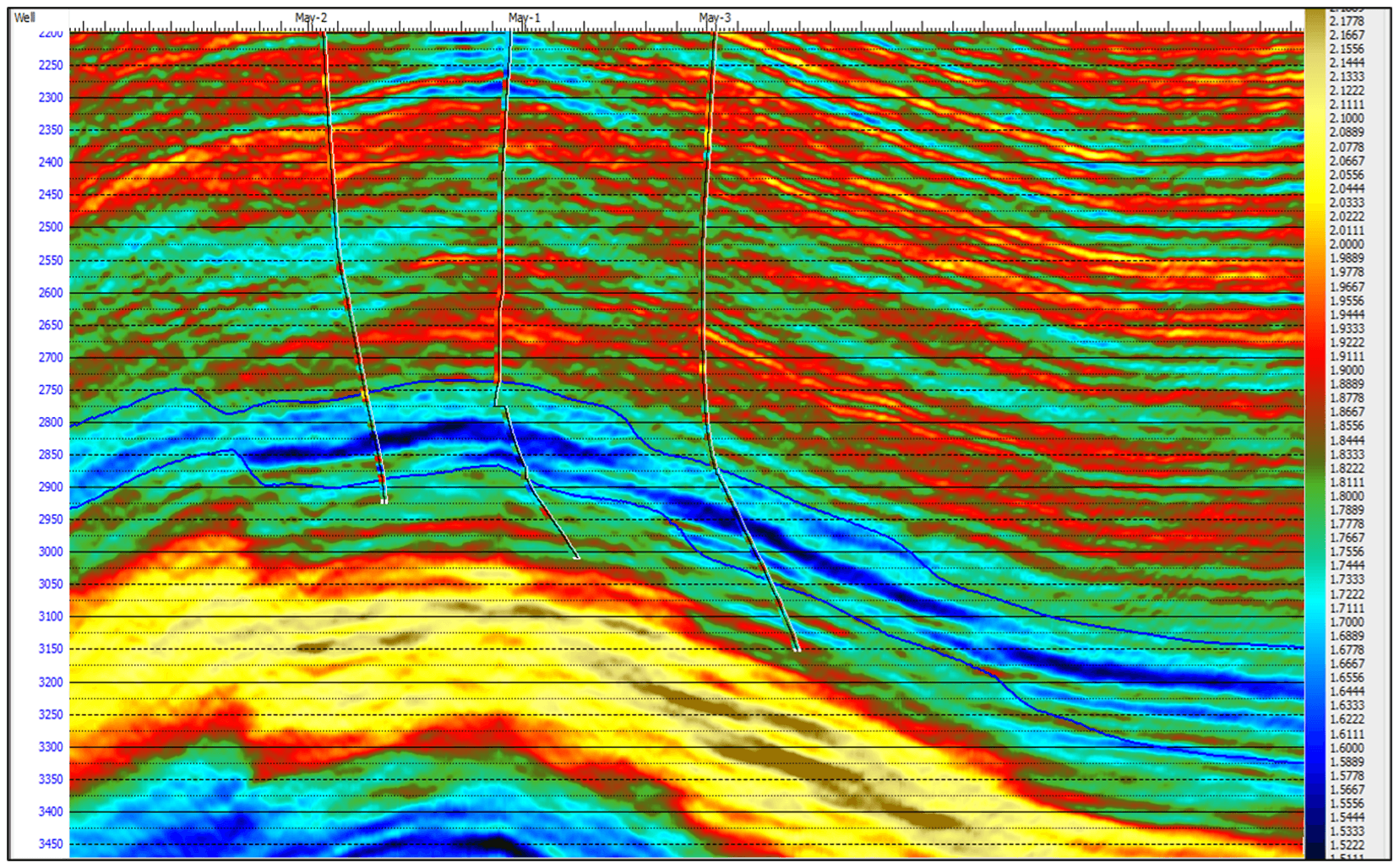
Elastic logs, well ties and targeted seismic attributes were used to compare interpretations of reservoir boundaries. The work examined how processing and inversion assumptions affect conclusions away from well control and identified where alternative explanations needed to be tested.
Well ties and comparison of seismic vintages — 2022
Well ties across alternative seismic datasets used conditioned logs, checkshots and wavelet assessment to compare key-marker correlation and processing differences. The comparison distinguished generally strong ties from less reliable combinations, helping establish where interpretation required greater caution.
Earlier project experience
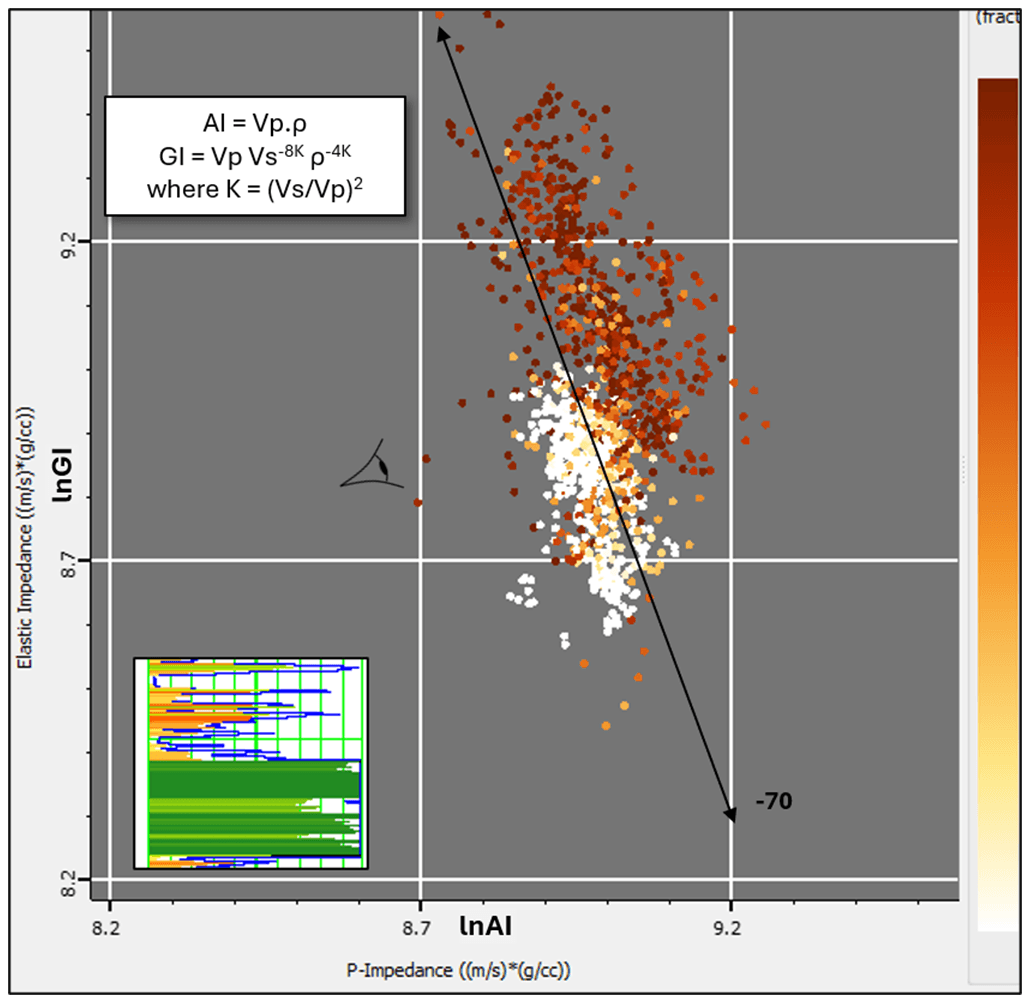
I joined Fugro-Jason in 2002 from a processing background with WesternGeco. In 3 years as a project geoscientist I developed skills in post-stack, pre-stack simultaneous and geostatistical inversion along with associated well tie, petrophysics and seismic interpretation techniques. During this time I completed projects such as:
- modelling and inversion of Aboozar and Sirri-D fields, Iran (IOOC)
- geostatistical inversion of Puchkirchen gas storage field, Austria (RAG)
- simultaneous angle inversion of Buzzard Field, North Sea (PanCanadian)
- geostatistical inversion and lithology modelling, Algeria (Burlington)
- post-stack inversion and lithology modelling, Nigeria (ENI)